– Children learn best through play; color-matching games are one of the most effective ways to combine fun with education.
– They help young children accurately identify colors, enhance their concentration skills, and develop their problem-solving abilities.
– Parents and teachers utilize color-matching games to make early childhood education an enjoyable experience.
– Color-matching games encourage children to think critically while simultaneously improving their visual memory.
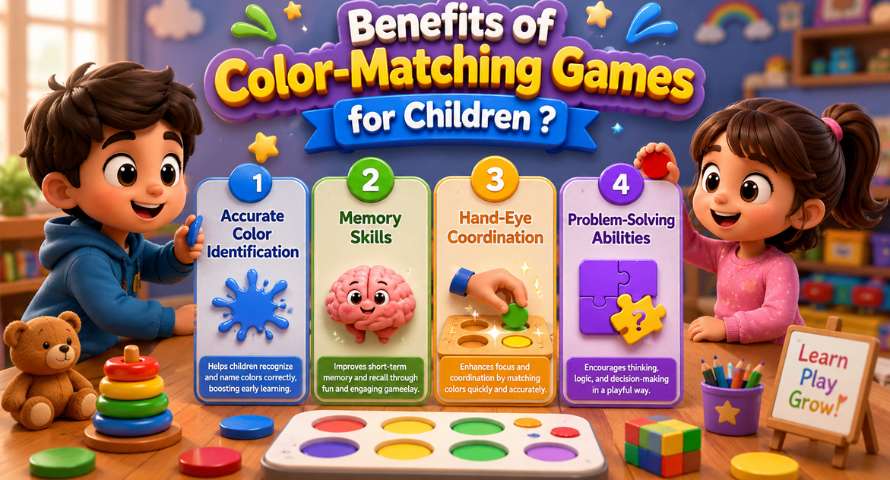
2) Benefits of Color-Matching Games for Children?
# 1. Accurate Color Identification
– A major benefit of color-matching activities is that they help children identify and remember different colors.
# 2. Memory Skills
– Children are required to remember colors, as well as the location or texture of objects. This strengthens their short-term memory and improves their ability to focus.
– As children continue to play, these cognitive abilities become even sharper and more precise.
# 3. Hand-Eye Coordination
– Color-matching activities help improve hand-eye coordination and fine motor skills.
– Tasks such as accurately matching colored blocks or sorting toys into groups based on color can make a significant difference in a child’s physical development.
# 4. Problem-Solving Abilities
– These games also foster logical thinking in children. To successfully complete tasks, children must analyze shapes, patterns, and colors.

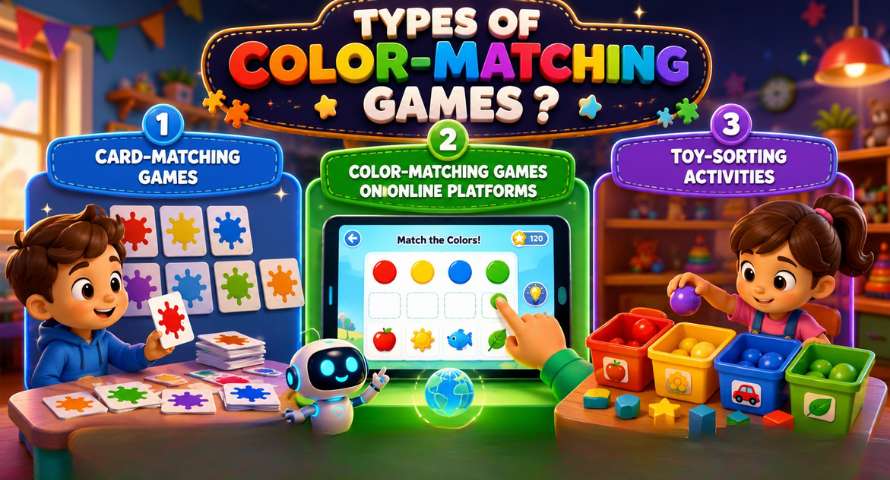
3) Types of Color-Matching Games?
1) Card-Matching Games
– Card games serve as an effective learning tool for children. Children find matching colors or images.
2) Color-Matching Games on Online Platforms
– Digital learning platforms offer color-matching games featuring audio cues and animations.
3) Toy-Sorting Activities
– Sorting colorful toys, blocks, or balls into the correct bins is a fun way to learn.
– It helps young children gain a practical understanding of color categories.
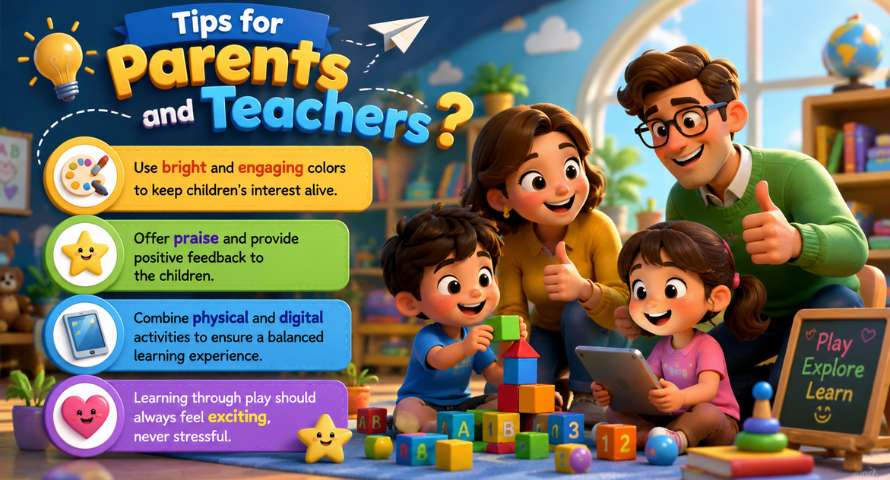
4) Tips for Parents and Teachers?
To make color-matching games more effective for children, follow these simple tips:
– Use bright and engaging colors to keep children’s interest alive.
– Offer praise and provide positive feedback to the children.
– Combine physical and digital activities to ensure a balanced learning experience.
Learning through play should always feel exciting, never stressful.
5) Why Are Color-Matching Games Important?
Early childhood is the ideal time for developing cognitive and social skills.
– Color-matching games lay a strong foundation for future learning by improving attention spans, observation skills, and creativity.
– These educational games also foster interaction among parents, teachers, and children. Playing together creates a positive learning environment and strengthens emotional bonds.